Conceiving and Fertility: Understanding the Journey to Parenthood
 Admin
Admin
 June 1, 2026

Conceiving a child is a significant milestone for many couples, yet fertility is influenced by a complex interaction of health, lifestyle, age, nutrition, and reproductive wellness. Both men and women play equally important roles in successful conception, and understanding the factors that affect fertility can help couples make healthier choices while preparing for pregnancy.
Research suggests that infertility affects millions of couples worldwide, with male factors contributing to approximately 40–50% of infertility cases (Pizzorno and Murray, 2021). Nutrition, lifestyle habits, hormonal balance, and overall health all contribute to reproductive outcomes (Collins and Rossi, 2015).
What Affects Fertility?
1. Age
Age remains one of the strongest biological factors affecting fertility.
Women
Female fertility naturally declines with age, particularly after age 35 due to reduced egg quantity and quality.
Men
Male fertility can also decline over time. Sperm count, motility and testosterone levels may decrease with age, potentially affecting conception success (Michaelsen et al., 2024).
2. Lifestyle and Daily Habits
Smoking
Smoking has been linked to reduced sperm quality, DNA damage and lower egg quality in women.
Alcohol Consumption
Excessive alcohol intake may interfere with hormone production and reproductive function.
Stress and Sleep
Chronic stress and inadequate sleep can affect reproductive hormones and ovulation cycles.
Physical Activity
Moderate exercise supports fertility, while both inactivity and excessive training may negatively affect reproductive health.
Healthy lifestyle modifications can positively influence natural fertility outcomes (Collins and Rossi, 2015).
3. Nutrition and Body Weight
Maintaining a healthy body weight is important for hormonal balance and reproductive function.
Nutritional deficiencies may impact:
- Ovulation
- Sperm production
- Hormone regulation
- Embryo development
Micronutrients such as folate, zinc, omega-3 fatty acids, antioxidants and vitamins play important roles in reproductive health (Pizzorno and Murray, 2021).
4. Medical Conditions
Several health conditions may affect fertility, including:
- Polycystic ovary syndrome (PCOS)
- Endometriosis
- Thyroid disorders
- Diabetes
- Low testosterone
- Varicocele
- Sexually transmitted infections
Early medical evaluation can help identify and manage these issues effectively.
Things That May Help Improve Fertility
Eat a Balanced, Nutrient-Rich Diet
A fertility-supportive diet should include fruits, vegetables, whole grains, lean proteins and healthy fats. Nutrients such as folic acid, iron, zinc and omega-3 fatty acids support reproductive health. Antioxidant-rich diets may help reduce oxidative stress linked to sperm and egg damage (Whittaker et al., 2024).
Maintain a Healthy Weight
Both obesity and being underweight may interfere with reproductive hormone balance and fertility (Collins and Rossi, 2015).
Exercise Regularly
Moderate exercise improves circulation, metabolic health and hormone balance.
Manage Stress
Stress-reduction strategies such as meditation, yoga, quality sleep and relaxation exercises may support overall reproductive wellness.
Nutritional Support for Men and Women
For Men: 21st Century Saw Palmetto
21st Century Saw Palmetto contains saw palmetto berry and zinc, nutrients commonly associated with men’s wellness and prostate health. According to the manufacturer, it is formulated to support male urinary and prostate health.
Saw palmetto has traditionally been used for male wellness, particularly prostate function. Some evidence suggests it may influence hormone metabolism via 5-alpha reductase activity, although scientific findings on direct fertility benefits remain limited and inconclusive (National Institutes of Health, 2020).
For Women: 21st Century Pregnancy & Breastfeeding Formula
Women preparing for pregnancy and breastfeeding have increased nutritional needs. 21st Century Pregnancy & Breastfeeding Formula provides essential nutrients such as folic acid, iron, calcium, vitamin D and other vitamins that support maternal health and fetal development.
Folic acid supplementation before conception and during pregnancy is strongly recommended to reduce the risk of neural tube defects (Czeizel and Dudás, 1992).
Conclusion
Fertility is influenced by multiple interconnected factors including age, lifestyle, nutrition, and overall reproductive health. Healthy habits such as balanced nutrition, regular exercise, stress management and proper supplementation may help support reproductive wellness for both men and women.
Products such as 21st Century Saw Palmetto and 21st Century Pregnancy & Breastfeeding Formula may support general health as part of a broader fertility-focused lifestyle when used alongside medical guidance.
References
Collins, G.G. and Rossi, B.V. (2015) ‘The impact of lifestyle modifications, diet, and vitamin supplementation on natural fertility’, Fertility Research and Practice, 1(11). doi:10.1186/s40738-015-0003-4.
Czeizel, A.E. and Dudás, I. (1992) ‘Prevention of the first occurrence of neural-tube defects by periconceptional vitamin supplementation’, New England Journal of Medicine, 327(26), pp. 1832–1835. doi:10.1056/NEJM199212243272602.
Michaelsen, M.P. et al. (2024) ‘The effect of dietary supplements on male infertility in terms of pregnancy, live birth, and sperm parameters: A systematic review and meta-analysis’, Nutrients, 17(10), 1710. https://www.mdpi.com/2072-6643/17/10/1710
National Institutes of Health (2020) Zinc, folic acid supplement does not improve male fertility, NIH study suggests. Available at: https://www.nih.gov.
Pizzorno, J. and Murray, M. (2021) ‘Nutrition, genetic variation and male fertility’, Nutrients. Available at: https://pmc.ncbi.nlm.nih.gov/articles/PMC8039611/.
Whittaker, A. et al. (2024) ‘Assessing the influence of preconception diet on male fertility: A systematic scoping review’, Human Reproduction Update. Available at: https://pmc.ncbi.nlm.nih.gov/articles/PMC11063564/.
You may also like

Garlic: A Simple Supplement for Everyday Wellness
Garlic (Allium sativum) is a familiar ingredient found in kitchens around the world. It has been used in cooking and traditional health practices for many years. Besides adding flavour to food, garlic contains natural compounds that researchers have studied for their possible effects on health. Today, garlic can be enjoyed as part of a normal […]

Calcium: Why Is It Important for Our Body?
Calcium is one of the most important minerals required by the human body. While it is best known for supporting strong bones and teeth, calcium plays many other essential roles. It is involved in muscle contraction, nerve signalling, blood clotting, cellular communication and other processes that help the body function normally. The body cannot produce […]

Daily Nutritional Support for a Healthy Liver and Active Lifestyle
Your liver is one of the most important organs in your body, working tirelessly every day to process nutrients, metabolize fats, produce bile for digestion, store essential vitamins and support the body’s natural detoxification processes. Despite its remarkable ability to regenerate, the liver can be affected by everyday lifestyle factors such as poor dietary habits, […]

Healthy Hair Starts at the Root: Understanding Hair Fall and Daily Hair Care
Hair is often seen as a reflection of overall health and well-being. While losing some hair each day is a normal part of the hair growth cycle, excessive hair shedding or thinning can be concerning for both men and women. Hair health is influenced by a combination of genetics, nutrition, lifestyle habits, scalp condition, age […]

Supporting Healthy Veins and Leg Comfort
The way we feel in our bodies often shows in how we move, stand, and carry ourselves. Light, comfortable legs and smooth-looking skin contribute to confidence and overall well-being. However, long hours of standing or sitting, lack of movement, aging and daily strain can take a toll on our veins. Over time, this may lead […]

Nourishing Motherhood: Supporting Nutritional Needs Through Every Stage of Pregnancy
Pregnancy is a unique and transformative journey that involves significant physical and physiological changes. From preparing the body for conception to supporting the growth of a developing baby and recovering after childbirth, a mother’s body requires increased nutritional support during each stage. Adequate nutrition is essential for both maternal health and normal fetal development. While […]
You might also interested in
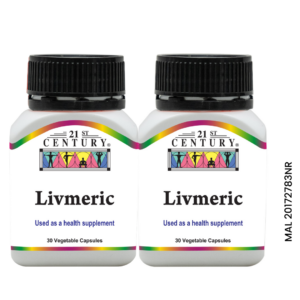
Value Pack! 21st Century Livmeric – 30’s +30’s
Original price was: RM94.20.RM84.20Current price is: RM84.20.
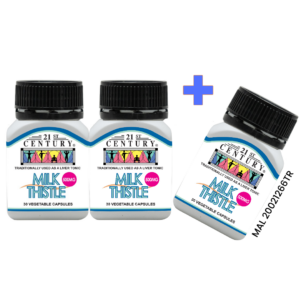
Buy 2 Free 1! 21st Century Milk Thistle 500mg – 30’s + 30’s + 30’s
Original price was: RM98.70.RM65.80Current price is: RM65.80.