Healthy Hair Starts at the Root: Understanding Hair Fall and Daily Hair Care
 Admin
Admin
 July 1, 2026
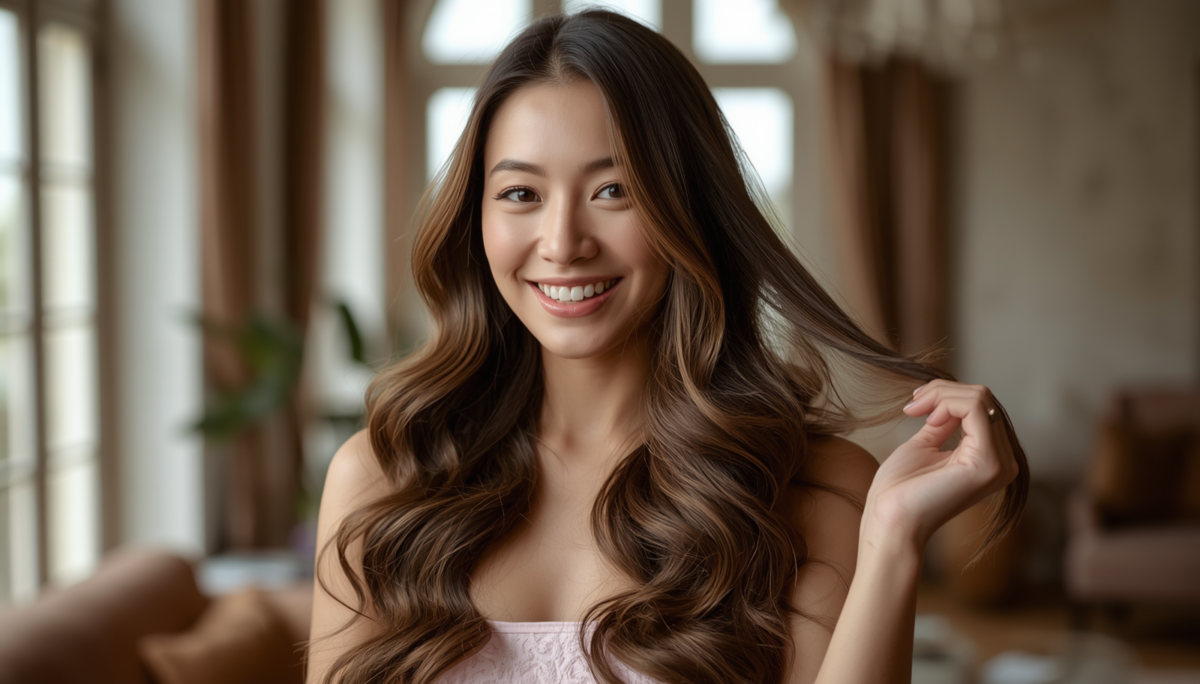
Hair is often seen as a reflection of overall health and well-being. While losing some hair each day is a normal part of the hair growth cycle, excessive hair shedding or thinning can be concerning for both men and women. Hair health is influenced by a combination of genetics, nutrition, lifestyle habits, scalp condition, age and environmental factors.
Research suggests that hair loss can result from multiple causes, including hormonal changes, nutritional deficiencies, stress, medical conditions and improper hair care practices (Almohanna et al., 2019). Understanding these factors can help individuals make informed choices to support stronger, healthier-looking hair.
What Causes Hair Fall?
1. Genetics and Age
Genetics play a major role in determining hair growth patterns and susceptibility to hair thinning.
Men
Male pattern hair loss, also known as androgenetic alopecia, is one of the most common causes of hair thinning in men. Hair follicles gradually shrink over time, resulting in thinner and shorter hair strands.
Women
Women may experience hair thinning due to age-related changes, hormonal fluctuations, pregnancy, menopause or genetic factors. Hair density often decreases gradually with age.
2. Stress and Lifestyle Factors
Physical and emotional stress can affect the normal hair growth cycle.
Common lifestyle-related contributors include:
• Chronic stress
• Inadequate sleep
• Smoking
• Poor dietary habits
• Excessive heat styling or chemical treatments
Periods of significant stress may trigger temporary hair shedding known as telogen effluvium, where more hairs than usual enter the resting phase of the growth cycle (Malkud, 2015).
3. Nutrition and Hair Health
Hair follicles require a consistent supply of nutrients to support normal growth.
Nutritional deficiencies associated with hair loss may include:
• Iron deficiency
• Zinc deficiency
• Vitamin D deficiency
• Protein insufficiency
• Essential fatty acid deficiency
A balanced diet rich in vitamins, minerals and protein helps support healthy hair structure and growth (Almohanna et al., 2019).
4. Scalp Health
Healthy hair begins with a healthy scalp.
Conditions that may affect scalp health include:
• Excess oil production
• Dandruff
• Scalp irritation
• Inflammation
• Product buildup
Maintaining scalp cleanliness and balance can help create an environment that supports healthy-looking hair.
5. Medical Conditions
Several health conditions may contribute to hair loss, including:
• Thyroid disorders
• Polycystic ovary syndrome (PCOS)
• Autoimmune disorders
• Hormonal imbalances
• Certain medications
Individuals experiencing persistent or sudden hair loss should consult a healthcare professional for proper evaluation.
Daily Habits That May Support Healthy Hair
Eat a Balanced Diet
Hair is primarily composed of protein, making adequate protein intake important for maintaining healthy hair growth. A nutrient-rich diet containing fruits, vegetables, whole grains, lean proteins and healthy fats provides essential nutrients needed for overall hair health.
Manage Stress
Stress management techniques such as regular exercise, meditation, relaxation practices and quality sleep may help support overall wellness and healthy hair growth cycles.
Protect Hair from Damage
To reduce hair breakage:
• Limit excessive heat styling
• Avoid harsh chemical treatments when possible
• Use gentle hair care products
• Minimize excessive brushing or pulling of hair
Maintain Good Scalp Hygiene
Regular cleansing helps remove excess oil, dirt and product buildup that may affect scalp comfort and hair appearance.
Hair Care Support with 21st Century Nourishair
For Daily Cleansing: 21st Century Nourishair Shampoo
21st Century Nourishair Shampoo is formulated to gently cleanse the hair and scalp while helping maintain hair manageability and freshness. Regular cleansing can help remove excess oil, impurities and buildup that may accumulate on the scalp throughout the day.
As part of a daily hair care routine, a gentle shampoo may help support a cleaner scalp environment and promote healthier-looking hair.
For Scalp and Hair Care: 21st Century Nourishair Tonic
21st Century Nourishair Tonic is designed to complement daily hair care routines by providing scalp and hair conditioning support. Applied directly to the scalp, hair tonics are commonly used to help maintain scalp comfort and support the appearance of fuller, healthier-looking hair.
When used consistently alongside proper hair care practices, a scalp tonic may help individuals maintain overall hair and scalp wellness.
Building a Complete Hair Care Routine
For optimal hair care, consider combining the following habits:
• Use a gentle shampoo regularly to cleanse the scalp
• Apply a scalp tonic as directed
• Maintain a balanced, nutrient-rich diet
• Stay physically active
• Manage stress effectively
• Get sufficient sleep each night
• Avoid excessive heat and chemical damage
A holistic approach that combines healthy lifestyle choices with consistent hair care practices can help support stronger, healthier-looking hair over time.
Conclusion
Hair health is influenced by many interconnected factors, including genetics, age, nutrition, lifestyle habits, scalp condition and overall wellness. While some causes of hair loss may require professional evaluation, daily hair care and healthy living practices can play an important role in maintaining healthy hair.
Products such as 21st Century Nourishair Shampoo and 21st Century Nourishair Tonic may support overall scalp and hair care as part of a comprehensive hair wellness routine. Combined with good nutrition, stress management, and proper hair care habits, they can help individuals maintain healthy-looking hair and scalp health.
References
Almohanna, H.M., Ahmed, A.A., Tsatalis, J.P. and Tosti, A. (2019) ‘The role of vitamins and minerals in hair loss: A review’, Dermatology and Therapy, 9(1), pp. 51–70. doi:10.1007/s13555-018-0278-6.
Malkud, S. (2015) ‘Telogen effluvium: A review’, Journal of Clinical and Diagnostic Research, 9(9), WE01–WE03. doi:10.7860/JCDR/2015/15219.6492.
Guo, E.L. and Katta, R. (2017) ‘Diet and hair loss: Effects of nutrient deficiency and supplement use’, Dermatology Practical & Conceptual, 7(1), pp. 1–10. doi:10.5826/dpc.0701a01.
Suchonwanit, P., Thammarucha, S. and Leerunyakul, K. (2019) ‘Minoxidil and its use in hair disorders: A review’, Drug Design, Development and Therapy, 13, pp. 2777–2786. doi:10.2147/DDDT.S214907.
You may also like
Garlic: A Simple Supplement for Everyday Wellness
Garlic (Allium sativum) is a familiar ingredient found in kitchens around the world. It has been used in cooking and traditional health practices for many years. Besides adding flavour to food, garlic contains natural compounds that researchers have studied for their possible effects on health. Today, garlic can be enjoyed as part of a normal […]
Calcium: Why Is It Important for Our Body?
Calcium is one of the most important minerals required by the human body. While it is best known for supporting strong bones and teeth, calcium plays many other essential roles. It is involved in muscle contraction, nerve signalling, blood clotting, cellular communication and other processes that help the body function normally. The body cannot produce […]

Daily Nutritional Support for a Healthy Liver and Active Lifestyle
Your liver is one of the most important organs in your body, working tirelessly every day to process nutrients, metabolize fats, produce bile for digestion, store essential vitamins and support the body’s natural detoxification processes. Despite its remarkable ability to regenerate, the liver can be affected by everyday lifestyle factors such as poor dietary habits, […]

Conceiving and Fertility: Understanding the Journey to Parenthood
Conceiving a child is a significant milestone for many couples, yet fertility is influenced by a complex interaction of health, lifestyle, age, nutrition, and reproductive wellness. Both men and women play equally important roles in successful conception, and understanding the factors that affect fertility can help couples make healthier choices while preparing for pregnancy. Research […]
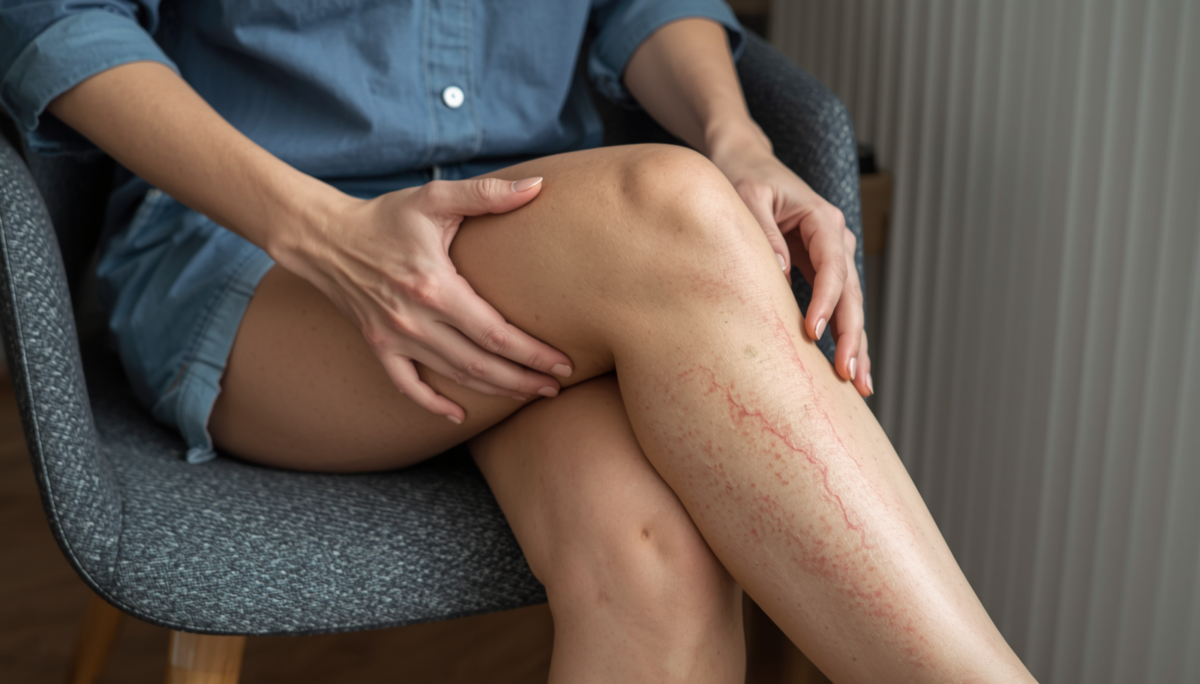
Supporting Healthy Veins and Leg Comfort
The way we feel in our bodies often shows in how we move, stand, and carry ourselves. Light, comfortable legs and smooth-looking skin contribute to confidence and overall well-being. However, long hours of standing or sitting, lack of movement, aging and daily strain can take a toll on our veins. Over time, this may lead […]

Nourishing Motherhood: Supporting Nutritional Needs Through Every Stage of Pregnancy
Pregnancy is a unique and transformative journey that involves significant physical and physiological changes. From preparing the body for conception to supporting the growth of a developing baby and recovering after childbirth, a mother’s body requires increased nutritional support during each stage. Adequate nutrition is essential for both maternal health and normal fetal development. While […]
You might also interested in
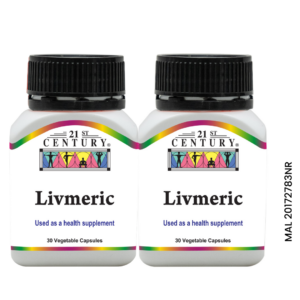
Value Pack! 21st Century Livmeric – 30’s +30’s
Original price was: RM94.20.RM84.20Current price is: RM84.20.
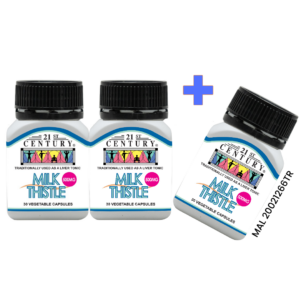
Buy 2 Free 1! 21st Century Milk Thistle 500mg – 30’s + 30’s + 30’s
Original price was: RM98.70.RM65.80Current price is: RM65.80.