Calcium: Why Is It Important for Our Body?
 Admin
Admin
 September 1, 2026

Calcium is one of the most important minerals required by the human body. While it is best known for supporting strong bones and teeth, calcium plays many other essential roles. It is involved in muscle contraction, nerve signalling, blood clotting, cellular communication and other processes that help the body function normally.
The body cannot produce calcium on its own, so it must be obtained from food and, when necessary, nutritional supplements. The body carefully regulates calcium levels because calcium is needed continuously for important physiological functions (Matikainen et al., 2021).
Why Is Calcium So Important?
Approximately 99% of the body’s calcium is stored in the bones and teeth, where it provides strength and structural support. The remaining calcium is found in the blood and soft tissues, where it participates in various physiological processes (Matikainen et al., 2021).
Some of the body’s key uses for calcium include:
- Supporting the formation and maintenance of bones and teeth.
- Helping muscles contract normally.
- Supporting communication between nerve cells.
- Contributing to normal blood clotting.
- Participating in cellular signalling.
- Supporting the normal release of hormones and other substances.
Calcium is therefore much more than a “bone mineral.” It is an essential nutrient that supports the normal functioning of several systems throughout the body.
Calcium and Bone Health
Bones are living tissues that are constantly being remodelled. Old bone is broken down while new bone is formed. Calcium is an essential component of this process and helps provide bones with their strength and mineral density.
During childhood and adolescence, adequate calcium is particularly important because bones are growing rapidly. However, calcium remains important throughout adulthood as maintaining bone mass becomes increasingly important with age.
A major international systematic review found considerable differences in calcium intake between countries, with many populations having relatively low average dietary calcium intake (Balk et al., 2017). This highlights the importance of ensuring adequate calcium intake through a balanced diet and when appropriate, supplementation.
Calcium for Muscles and Nerves
Calcium also plays an important role in muscle and nerve function.
When muscles contract, calcium acts as a signal that helps initiate the interaction between muscle proteins required for contraction. Calcium also participates in the transmission of signals between nerve cells and other tissues.
At the cellular level, calcium functions as an important signalling molecule and helps regulate numerous biological processes (Matikainen et al., 2021). This means calcium contributes to everyday activities such as movement, exercise, and communication between the brain, nerves and muscles.
What Happens When We Don’t Get Enough Calcium?
When dietary calcium intake is consistently inadequate, the body works to maintain calcium levels in the blood. One mechanism involves drawing calcium from the bones.
Although this helps maintain the calcium needed for essential body functions, prolonged inadequate calcium intake may negatively affect bone health. Low calcium intake is particularly concerning when combined with other risk factors such as inadequate vitamin D, ageing, low physical activity or poor overall nutrition (Balk et al., 2017; Cormick & Belizán, 2019).
Weaker Bones
Insufficient calcium intake can make it more difficult for the body to maintain optimal bone mineralisation. Over time, this may contribute to lower bone mineral density and weaker bones.
Osteoporosis and Fracture Risk
Osteoporosis is a condition in which bones become less dense and more fragile, increasing the risk of fractures. Calcium is one of several important nutritional factors involved in maintaining bone health, alongside vitamin D, protein, physical activity and other nutrients (Cormick & Belizán, 2019).
Hypocalcemia
Severely low calcium levels in the blood are known as hypocalcemia. This is different from simply consuming insufficient calcium in the diet.
Hypocalcemia can have various causes, including vitamin D deficiency, magnesium deficiency, kidney problems, disorders affecting the parathyroid glands, certain medications, and other medical conditions. Significant hypocalcemia can affect neuromuscular function and may cause symptoms such as tingling, muscle spasms, or abnormal muscle activity (Tinawi, 2021).
Calcium and Vitamin D: A Complementary Partnership
Calcium and vitamin D work closely together. Calcium provides the mineral needed for bones, while vitamin D plays an important role in calcium absorption and regulation.
The body’s calcium balance is controlled through coordinated actions involving the intestines, kidneys, bones and hormones, including vitamin D and parathyroid hormone (Matikainen et al., 2021).
For this reason, calcium supplements are commonly combined with vitamin D to provide complementary nutritional support.
Getting Calcium Through Your Diet
A balanced diet should be the foundation of calcium intake. Good sources include:
- Milk, cheese and yogurt.
- Calcium-fortified plant-based beverages.
- Tofu made with calcium salts.
- Canned fish with edible bones.
- Vegetables such as kale, broccoli and Chinese cabbage.
- Calcium-fortified cereals and other foods.
However, some individuals may find it difficult to obtain sufficient calcium through diet alone because of dietary restrictions, food preferences or consistently low intake of calcium-rich foods.
Introducing 21st Century Maxi Cal
21st Century Maxi Cal is formulated to provide calcium together with vitamin D as convenient nutritional support for bones and teeth.
According to the manufacturer’s Malaysian product information, Maxi Cal is a calcium and vitamin D formulation designed to support the formation and maintenance of bones and teeth. Vitamin D is included to support the body’s utilisation of calcium and phosphorus.
Key Features of 21st Century Maxi Cal
- Provides calcium and vitamin D in one convenient formulation.
- Supports the formation and maintenance of bones and teeth.
- Vitamin D complements calcium utilisation.
- Convenient daily nutritional support.
- Suitable for individuals looking to supplement their dietary calcium intake.
Benefits of 21st Century Maxi Cal
Supports Bone Health
Calcium is a major mineral component of bones. Adequate calcium intake contributes to the formation and maintenance of healthy bones.
Supports Healthy Teeth
Calcium contributes to the structure and maintenance of teeth, making adequate intake important for dental health as well as skeletal health.
Supports Normal Muscle and Nerve Function
Calcium is required for normal muscle contraction and nerve signalling, meaning its role extends beyond bones and teeth (Matikainen et al., 2021).
Includes Vitamin D
Vitamin D works alongside calcium by supporting calcium absorption and calcium regulation.
Convenient Daily Supplementation
For individuals who do not consistently obtain enough calcium through food, Maxi Cal provides a convenient way to supplement the diet.
Healthy Habits for Strong Bones
Calcium supplementation works best as part of an overall healthy lifestyle. Consider these simple habits:
- Eat a balanced diet with calcium-rich foods.
- Maintain adequate vitamin D intake.
- Stay physically active.
- Include weight-bearing and muscle-strengthening exercises.
- Maintain a healthy body weight.
- Avoid smoking.
- Limit excessive alcohol consumption.
- Have appropriate health check-ups as you age.
Final Thoughts
Calcium is an essential mineral that the body needs every day. Although most calcium is stored in the bones and teeth, it also plays important roles in muscle contraction, nerve signalling, blood clotting and cellular communication.
When calcium intake is consistently inadequate, the body may draw calcium from the skeleton to maintain essential physiological functions. Over time, inadequate calcium intake may compromise bone health and contribute to weaker bones, particularly when combined with other nutritional and lifestyle risk factors (Balk et al., 2017; Cormick & Belizán, 2019).
21st Century Maxi Cal provides convenient calcium and vitamin D nutritional support for individuals looking to complement their daily diet and support healthy bones and teeth.
Ultimately, maintaining strong bones is a lifelong process. Adequate calcium, vitamin D, balanced nutrition, regular physical activity and healthy lifestyle choices can work together to support long-term bone health and overall wellbeing.
References
Matikainen, N., Pekkarinen, T., Ryhänen, E. M., & Schalin-Jäntti, C. (2021). Physiology of calcium homeostasis: An overview. Endocrinology and Metabolism Clinics of North America, 50(4), 575–590. https://doi.org/10.1016/j.ecl.2021.07.005
Balk, E. M., Adam, G. P., Langberg, V. N., Earley, A., Clark, P., Ebeling, P. R., et al. (2017). Global dietary calcium intake among adults: A systematic review. Osteoporosis International, 28(12), 3315–3324. https://doi.org/10.1007/s00198-017-4230-x
Cormick, G., & Belizán, J. M. (2019). Calcium intake and health. Nutrients, 11(7), 1606. https://doi.org/10.3390/nu11071606
Tinawi, M. (2021). Disorders of calcium metabolism: Hypocalcemia and hypercalcemia. Cureus, 13(1), e12420. https://doi.org/10.7759/cureus.12420
Silver, J., Naveh-Many, T., & Finkelstein, R. (2016). Calcium homeostasis in health and in kidney disease. Endocrinology and Metabolism Clinics of North America, 45(4), 653–676. https://doi.org/10.1016/j.ecl.2016.06.003 21st Century Products Sdn Bhd. 21st Century Maxi Cal. https://www.21stcentury.com.my/product/21st-century-maxi-cal/
You may also like

Garlic: A Simple Supplement for Everyday Wellness
Garlic (Allium sativum) is a familiar ingredient found in kitchens around the world. It has been used in cooking and traditional health practices for many years. Besides adding flavour to food, garlic contains natural compounds that researchers have studied for their possible effects on health. Today, garlic can be enjoyed as part of a normal […]

Daily Nutritional Support for a Healthy Liver and Active Lifestyle
Your liver is one of the most important organs in your body, working tirelessly every day to process nutrients, metabolize fats, produce bile for digestion, store essential vitamins and support the body’s natural detoxification processes. Despite its remarkable ability to regenerate, the liver can be affected by everyday lifestyle factors such as poor dietary habits, […]

Healthy Hair Starts at the Root: Understanding Hair Fall and Daily Hair Care
Hair is often seen as a reflection of overall health and well-being. While losing some hair each day is a normal part of the hair growth cycle, excessive hair shedding or thinning can be concerning for both men and women. Hair health is influenced by a combination of genetics, nutrition, lifestyle habits, scalp condition, age […]

Conceiving and Fertility: Understanding the Journey to Parenthood
Conceiving a child is a significant milestone for many couples, yet fertility is influenced by a complex interaction of health, lifestyle, age, nutrition, and reproductive wellness. Both men and women play equally important roles in successful conception, and understanding the factors that affect fertility can help couples make healthier choices while preparing for pregnancy. Research […]

Supporting Healthy Veins and Leg Comfort
The way we feel in our bodies often shows in how we move, stand, and carry ourselves. Light, comfortable legs and smooth-looking skin contribute to confidence and overall well-being. However, long hours of standing or sitting, lack of movement, aging and daily strain can take a toll on our veins. Over time, this may lead […]

Nourishing Motherhood: Supporting Nutritional Needs Through Every Stage of Pregnancy
Pregnancy is a unique and transformative journey that involves significant physical and physiological changes. From preparing the body for conception to supporting the growth of a developing baby and recovering after childbirth, a mother’s body requires increased nutritional support during each stage. Adequate nutrition is essential for both maternal health and normal fetal development. While […]
You might also interested in
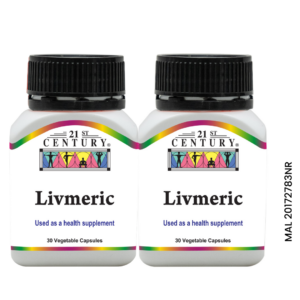
Value Pack! 21st Century Livmeric – 30’s +30’s
Original price was: RM94.20.RM84.20Current price is: RM84.20.
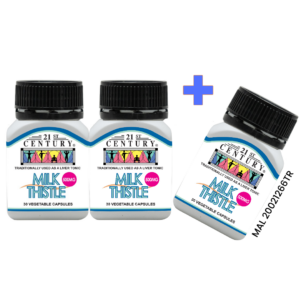
Buy 2 Free 1! 21st Century Milk Thistle 500mg – 30’s + 30’s + 30’s
Original price was: RM98.70.RM65.80Current price is: RM65.80.