Nourishing Motherhood: Supporting Nutritional Needs Through Every Stage of Pregnancy
 Admin
Admin
 April 1, 2026

Pregnancy is a unique and transformative journey that involves significant physical and physiological changes. From preparing the body for conception to supporting the growth of a developing baby and recovering after childbirth, a mother’s body requires increased nutritional support during each stage.
Adequate nutrition is essential for both maternal health and normal fetal development. While a balanced diet remains the foundation of good health, the nutritional demands during pregnancy and breastfeeding are higher than usual. In some cases, daily diets may not fully meet these increased requirements, making appropriate supplementation a helpful way to support overall nutritional intake.
Understanding the different stages of pregnancy—before pregnancy, during pregnancy, after childbirth, and during breastfeeding—highlights why maintaining adequate intake of essential vitamins and minerals is important for mothers.
Pre-Pregnancy: Preparing for a Healthy Start
Nutritional care ideally begins even before conception. During the pre-pregnancy stage, the body prepares for the early phases of fetal development, which begin soon after fertilization.
One of the most important nutrients during this stage is folic acid, a B vitamin that supports normal cell division and DNA synthesis. Adequate folic acid intake before conception and during early pregnancy is associated with a reduced risk of neural tube defects (NTDs), which are serious birth defects affecting the brain and spinal cord.
The neural tube develops into the baby’s brain and spinal cord and forms very early in pregnancy, usually within the first 28 days after conception. Because this process occurs so early, health authorities commonly recommend that women of reproductive age consume sufficient folic acid prior to and during early pregnancy (Czeizel & Dudás, 1992; De-Regil et al., 2010).
In addition to folic acid, other nutrients such as iron, iodine, and B-complex vitamins help support normal red blood cell formation, energy metabolism, and overall nutritional status when preparing for pregnancy (Allen, 2005).
During Pregnancy: Supporting Maternal Health and Fetal Development
During pregnancy, the body’s nutritional needs increase to support the growth and development of the baby.
Supporting Neural Development
Folic acid continues to play an important role during early pregnancy by supporting normal development of the baby’s brain and spinal cord. Adequate intake helps ensure proper neural development during the early stages of pregnancy (De-Regil et al., 2010).
Supporting Red Blood Cell Formation
Pregnancy increases blood volume in order to deliver oxygen and nutrients to the developing fetus. Iron contributes to the normal formation of hemoglobin and red blood cells, which are important for oxygen transport in the body (Milman, 2011).
Supporting Bone Health
As the baby develops, calcium is required for the formation of bones and teeth. Vitamin D helps support calcium absorption and contributes to the maintenance of normal bones in both mother and baby (Kovacs, 2016).
Supporting Energy Metabolism
Pregnancy can place additional demands on the body. B-complex vitamins, including vitamin B6 and vitamin B12, contribute to normal energy-yielding metabolism and support normal physiological function during pregnancy (O’Leary & Samman, 2010).
Post-Pregnancy: Nutritional Support for Recovery
After childbirth, the body begins a natural recovery process. During this period, adequate nutrition helps replenish nutrients that may have been utilized during pregnancy and delivery.
Nutrients such as iron, calcium, and B vitamins contribute to normal energy metabolism and support overall nutritional balance during the postpartum period. Maintaining a balanced diet and adequate nutrient intake can help mothers support their general health as they recover from childbirth (Picciano, 2003).
Breastfeeding: Continued Nutritional Care
For mothers who breastfeed, nutritional requirements remain elevated because the body continues to supply nutrients for the baby through breast milk.
Certain nutrients such as iodine, calcium, vitamin D, and B vitamins contribute to maintaining maternal nutritional status during lactation. Adequate intake helps support the nutritional needs of both mother and baby during the breastfeeding period (Allen, 2005).
Nutritional Support Throughout the Journey of Motherhood
Each stage of motherhood—from preparing for pregnancy to breastfeeding—places unique nutritional demands on the body. Ensuring adequate intake of essential vitamins and minerals can help support maternal nutritional status and normal fetal development.
21st Century Pregnancy & Breastfeeding Formula is a multivitamin and mineral supplement formulated to support the increased nutritional needs of women during pregnancy and lactation. The formula contains key nutrients including folic acid, iron, calcium, vitamin D, and B-complex vitamins, which help support normal red blood cell formation, energy metabolism, and overall nutritional intake.
When used as part of a balanced diet and healthy lifestyle, it provides convenient nutritional support for women throughout the stages of pregnancy and breastfeeding.
References
Allen, L. H. (2005). Multiple micronutrients in pregnancy and lactation: An overview. The American Journal of Clinical Nutrition, 81(5), 1206S–1212S. https://doi.org/10.1093/ajcn/81.5.1206
Czeizel, A. E., & Dudás, I. (1992). Prevention of the first occurrence of neural-tube defects by periconceptional vitamin supplementation. New England Journal of Medicine, 327(26), 1832–1835. https://doi.org/10.1056/NEJM199212243272602
De-Regil, L. M., Fernández-Gaxiola, A. C., Dowswell, T., & Peña-Rosas, J. P. (2010). Effects and safety of periconceptional folate supplementation for preventing birth defects. Cochrane Database of Systematic Reviews. https://doi.org/10.1002/14651858.CD007950.pub2
Kovacs, C. S. (2016). Maternal mineral and bone metabolism during pregnancy, lactation, and post-weaning recovery. Physiological Reviews, 96(2), 449–547. https://doi.org/10.1159/000332129
Milman, N. (2011). Iron in pregnancy: How do we secure an appropriate iron status in the mother and child? Annals of Nutrition and Metabolism, 59(1), 50–54. https://doi.org/10.1159/000332129
O’Leary, F., & Samman, S. (2010). Vitamin B12 in health and disease. Nutrients, 2(3), 299–316. https://doi.org/10.3390/nu2030299
Picciano, M. F. (2003). Pregnancy and lactation: Physiological adjustments, nutritional requirements and the role of dietary supplements. Journal of Nutrition, 133(6), 1997S–2002S. https://doi.org/10.1093/jn/133.6.1997S
You may also like

Garlic: A Simple Supplement for Everyday Wellness
Garlic (Allium sativum) is a familiar ingredient found in kitchens around the world. It has been used in cooking and traditional health practices for many years. Besides adding flavour to food, garlic contains natural compounds that researchers have studied for their possible effects on health. Today, garlic can be enjoyed as part of a normal […]

Calcium: Why Is It Important for Our Body?
Calcium is one of the most important minerals required by the human body. While it is best known for supporting strong bones and teeth, calcium plays many other essential roles. It is involved in muscle contraction, nerve signalling, blood clotting, cellular communication and other processes that help the body function normally. The body cannot produce […]

Daily Nutritional Support for a Healthy Liver and Active Lifestyle
Your liver is one of the most important organs in your body, working tirelessly every day to process nutrients, metabolize fats, produce bile for digestion, store essential vitamins and support the body’s natural detoxification processes. Despite its remarkable ability to regenerate, the liver can be affected by everyday lifestyle factors such as poor dietary habits, […]

Healthy Hair Starts at the Root: Understanding Hair Fall and Daily Hair Care
Hair is often seen as a reflection of overall health and well-being. While losing some hair each day is a normal part of the hair growth cycle, excessive hair shedding or thinning can be concerning for both men and women. Hair health is influenced by a combination of genetics, nutrition, lifestyle habits, scalp condition, age […]

Conceiving and Fertility: Understanding the Journey to Parenthood
Conceiving a child is a significant milestone for many couples, yet fertility is influenced by a complex interaction of health, lifestyle, age, nutrition, and reproductive wellness. Both men and women play equally important roles in successful conception, and understanding the factors that affect fertility can help couples make healthier choices while preparing for pregnancy. Research […]

Supporting Healthy Veins and Leg Comfort
The way we feel in our bodies often shows in how we move, stand, and carry ourselves. Light, comfortable legs and smooth-looking skin contribute to confidence and overall well-being. However, long hours of standing or sitting, lack of movement, aging and daily strain can take a toll on our veins. Over time, this may lead […]
You might also interested in
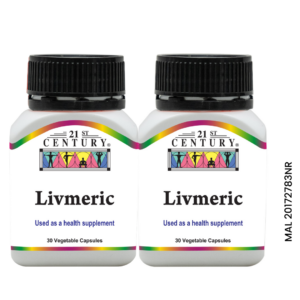
Value Pack! 21st Century Livmeric – 30’s +30’s
Original price was: RM94.20.RM84.20Current price is: RM84.20.
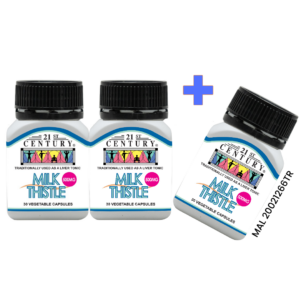
Buy 2 Free 1! 21st Century Milk Thistle 500mg – 30’s + 30’s + 30’s
Original price was: RM98.70.RM65.80Current price is: RM65.80.