Co-Enzyme Q10: Sustaining Energy and Vitality for Everyday Life
 Admin
Admin
 February 1, 2026
In our everyday lives, having enough energy to get through the day is essential. Between long hours at work, taking care of family, and observing cultural or religious traditions, our bodies are often pushed to keep going. To stay active and feel our best, our bodies need a steady supply of energy, and this is where Co-Enzyme Q10 (CoQ10) comes in.
Co-Enzyme Q10 is a natural substance found in almost every cell in the body. It helps our bodies turn food into energy that we can actually use. As we get older, or during times of stress or fasting, our CoQ10 levels can drop. When that happens, we may start to feel more tired than usual. Taking a CoQ10 supplement can help support energy levels, keep the heart healthy, and help the body stay energized and functioning well each day.
What Is Co-Enzyme Q10?
Co-Enzyme Q10 is a natural, vitamin-like substance found in the body that helps produce energy. It works inside our cells, especially in the mitochondria—often called the “powerhouses” of the cell—where energy is made. CoQ10 helps these cells turn food into energy more efficiently, keeping the body active and functioning well. Besides helping with energy, CoQ10 also acts as an antioxidant. This means it helps protect our cells from damage caused by everyday stress and aging, supporting overall health and well-being.
Key Health Benefits of Co-Enzyme Q10
Supports Energy Production
CoQ10 helps the body turn food into energy that cells can use. This process is essential for daily activities and overall vitality, making CoQ10 especially helpful for people who often feel tired or low on energy (Littarru & Tiano, 2007).
Promotes Heart Health
The heart needs a large amount of energy to function properly. CoQ10 supports heart health by helping heart cells produce energy more efficiently and by protecting them from damage caused by oxidative stress (Madmani et al., 2014).
Acts as a Powerful Antioxidant
CoQ10 helps protect cells from harmful molecules known as free radicals. By reducing oxidative damage, it supports overall cell health and helps the body cope with daily stress and aging (Hernández-Camacho et al., 2018).
Supports Physical Endurance
By helping cells use energy more efficiently, CoQ10 may reduce feelings of tiredness and support stamina, especially during physically demanding days or periods of increased activity (Cooke et al., 2008).
Supports Healthy Aging
As we age, natural levels of CoQ10 in the body tend to decrease. Supplementing with CoQ10 may help maintain energy levels, support heart function, and promote overall well-being as part of healthy aging (Littarru & Tiano, 2010).
Sustaining Energy and Vitality During Festive Celebrations and Fasting Seasons with Co-Enzyme Q10
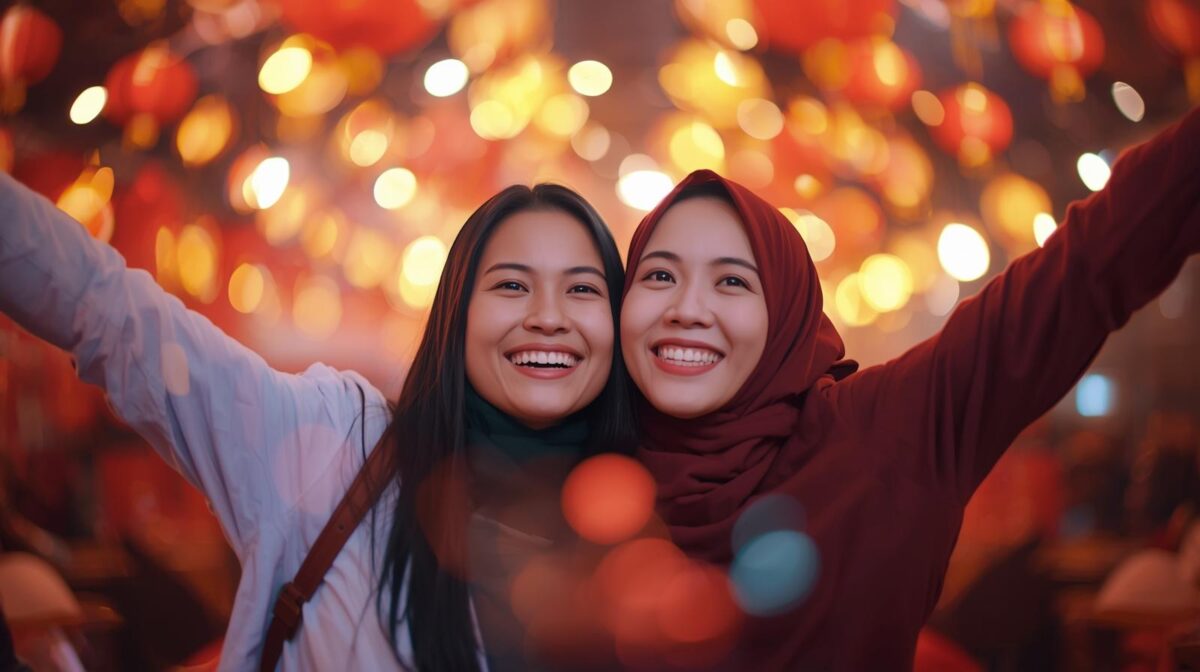
Throughout the year, there are special periods that bring families together, strengthen traditions, and deepen cultural and spiritual connections. Chinese New Year and Ramadan, though different in nature, both place unique physical demands on the body. Chinese New Year is marked by long days of celebration, travel, late nights, and rich meals, while Ramadan involves daily fasting, altered sleep patterns, and extended evening prayers. In both seasons, maintaining consistent energy and overall vitality becomes essential.
One nutrient that plays a crucial role in supporting the body during these demanding periods is Co-Enzyme Q10 (CoQ10). Naturally present in every cell, CoQ10 is vital for cellular energy production and helps the body efficiently convert food into usable energy. It also acts as a powerful antioxidant, supporting overall health and resilience.
During Chinese New Year, the festive schedule can be physically taxing. Visiting relatives, attending reunion dinners, and participating in cultural traditions often mean longer days and shorter rest periods. Heavy and indulgent meals may also place additional stress on the body. CoQ10 helps support energy production at the cellular level, allowing the body to better cope with increased activity and busy routines. By supporting heart health and efficient energy use, CoQ10 helps individuals stay energized and fully present throughout the celebrations.
In contrast, Ramadan is a time of spiritual reflection and self-discipline, where fasting from dawn to sunset changes the body’s normal energy intake. Reduced meal frequency, combined with long fasting hours and nighttime prayers, can sometimes lead to feelings of tiredness or low energy. CoQ10 supports the body’s ability to use stored nutrients efficiently, helping maintain energy levels throughout the day. Its role in supporting muscle and heart function is especially beneficial during fasting, allowing individuals to carry out daily responsibilities and religious practices with greater endurance.
Despite their differences, Chinese New Year and Ramadan share a common challenge: the need for sustained energy and physical resilience. Whether navigating festive commitments or observing prolonged fasting, the body relies heavily on cellular energy production to function optimally. CoQ10 bridges this gap by supporting energy production, ensuring energy is produced efficiently even during periods of physical stress or routine changes.
21st Century Co-Enzyme Q10 60 mg offers a convenient way to support these needs. Taken once a day after a main meal—during festive gatherings or at suhoor or iftar—it helps promote consistent energy, supports heart health, and provides antioxidant protection. It’s easy-to-take capsule format makes it suitable for daily use across different lifestyles and traditions.
In conclusion, both Chinese New Year and Ramadan are meaningful times that enrich life, but they can also challenge the body’s energy reserves. Supporting the body from within is key to fully experiencing these occasions. With the help of Co-Enzyme Q10, individuals can maintain vitality, endurance, and balance by allowing them to celebrate, reflect, and stay energized during these important seasons and beyond.
References
Cooke, M., Iosia, M., Buford, T., Shelmadine, B., Hudson, G., Kerksick, C., Rasmussen, C., Greenwood, M., Leutholtz, B., & Willoughby, D. (2008). Effects of acute and 14-day coenzyme Q10 supplementation on exercise performance in both trained and untrained individuals. https://doi.org/10.1186/1550-2783-5-8
Hernández-Camacho, J. D., Bernier, M., López-Lluch, G., & Navas, P. (2018). Coenzyme Q10 supplementation in aging and disease. Frontiers in Physiology, 9, 44. https://doi.org/10.3389/fphys.2018.00044
Littarru, G. P., & Tiano, L. (2007). Bioenergetic and antioxidant properties of coenzyme Q10: Recent developments. Molecular Biotechnology, 37(1), 31–37. https://doi.org/10.1007/s12033-007-0052-y
Littarru, G. P., & Tiano, L. (2010). Clinical aspects of coenzyme Q10: An update. Nutrition, 26(3), 250–254. https://doi.org/10.1016/j.nut.2009.08.008
Madmani, M. E., Solaiman, A. Y., Tamr Agha, K., Madmani, Y., Shahrour, Y., Essali, A., & Kadro, W. (2014). Coenzyme Q10 for heart failure. Cochrane Database of Systematic Reviews, (6), CD008684. https://doi.org/10.1002/14651858.CD008684.pub2
You may also like

Healthy Hair Starts at the Root: Understanding Hair Fall and Daily Hair Care
Hair is often seen as a reflection of overall health and well-being. While losing some hair each day is a normal part of the hair growth cycle, excessive hair shedding or thinning can be concerning for both men and women. Hair health is influenced by a combination of genetics, nutrition, lifestyle habits, scalp condition, age […]

Conceiving and Fertility: Understanding the Journey to Parenthood
Conceiving a child is a significant milestone for many couples, yet fertility is influenced by a complex interaction of health, lifestyle, age, nutrition, and reproductive wellness. Both men and women play equally important roles in successful conception, and understanding the factors that affect fertility can help couples make healthier choices while preparing for pregnancy. Research […]
Supporting Healthy Veins and Leg Comfort
The way we feel in our bodies often shows in how we move, stand, and carry ourselves. Light, comfortable legs and smooth-looking skin contribute to confidence and overall well-being. However, long hours of standing or sitting, lack of movement, aging and daily strain can take a toll on our veins. Over time, this may lead […]

Nourishing Motherhood: Supporting Nutritional Needs Through Every Stage of Pregnancy
Pregnancy is a unique and transformative journey that involves significant physical and physiological changes. From preparing the body for conception to supporting the growth of a developing baby and recovering after childbirth, a mother’s body requires increased nutritional support during each stage. Adequate nutrition is essential for both maternal health and normal fetal development. While […]
Radiance Begins Inside: Supporting Beauty and Vitality from Within
First impressions often begin with the way we look and carry ourselves. Beauty goes beyond surface appearance—it reflects our inner vitality and overall well-being. Radiant skin, bright eyes, and a healthy glow are often signs of a body that is balanced and well-nourished. However, daily stress, lack of sleep, environmental exposure, and demanding schedules can […]
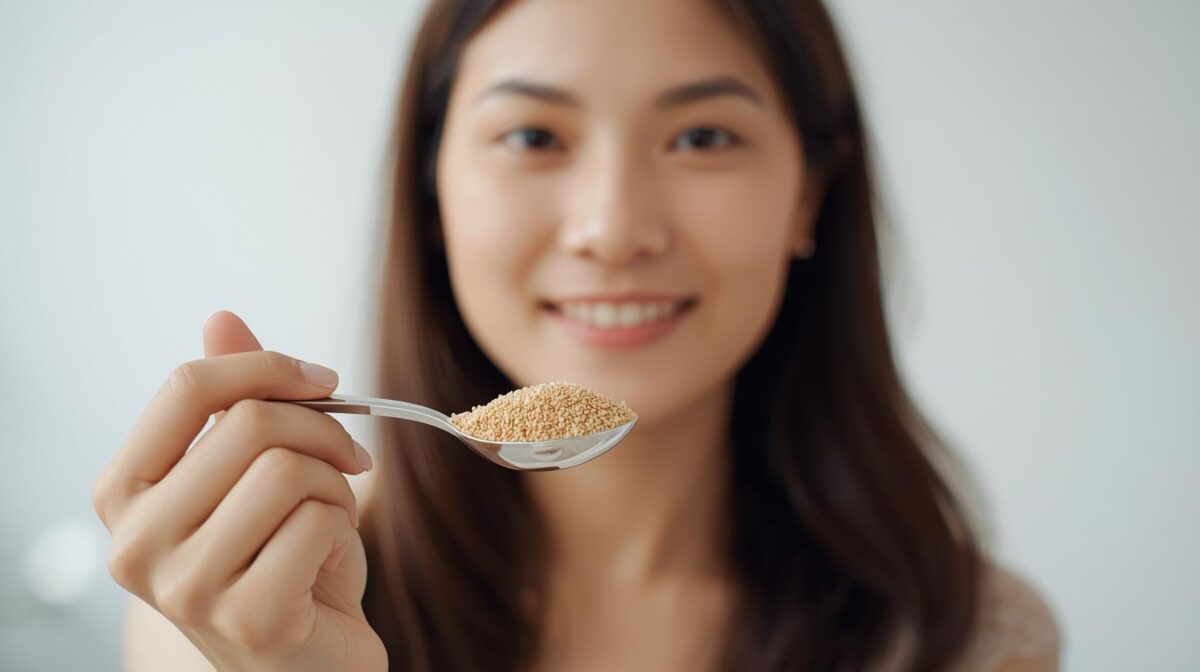
Psyllium Husk: A Natural Solution for Digestive Health
Digestive health plays a crucial role in how we feel day-to-day. Whether you’re dealing with occasional bloating, constipation, or simply looking to boost your overall gut health, the answer might be simpler than you think, which is fiber. Among the many types of fiber, psyllium husk stands out as a powerful natural option. Derived from […]
You might also interested in
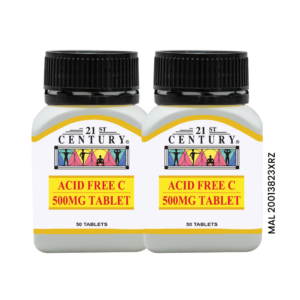
Value pack!21st Century Acid Free C 500mg – 50’s + 50’s Expiry Date: 16-02-2029
Original price was: RM49.90.RM39.90Current price is: RM39.90.
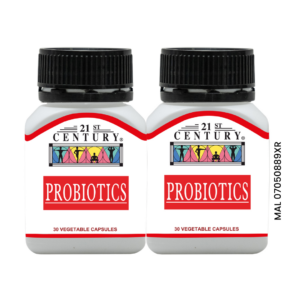
Value Pack! 21st Century Probiotics 30’s + 30’s – Expiry Date: 23-06-2028
Original price was: RM59.90.RM49.90Current price is: RM49.90.