
Eyesight and your health
 Admin
Admin
 October 1, 2025

Eyesight & Your Health: Sight of the world
Every day, our eyes help us make sense of the world—guiding us safely across busy streets, connecting us with loved ones, and allowing us to enjoy everything from early sunrise to the dazzling night lights of the city. Yet despite how essential vision is to our daily lives, eye health often goes overlooked until problems arise. In a world where screen time is rising and lifestyle habits are changing, protecting our eyesight has never been more important. In this article, you will learn practical tips to protect your eyes and boost wellness.
Your Eyes: Explore with your vision
The human eye is a highly specialized organ that allows us to see and interpret the world around us. It works by capturing light from our surroundings and converting it into signals that the brain can understand. Light first enters through the clear outer layer called the cornea, then passes through the pupil, which adjusts its size depending on brightness. The lens focuses the light onto the retina at the back of the eye, where millions of light-sensitive cells detect colour, shape, and movement. These signals are then sent through the optic nerve to the brain, which processes them into the images we see.
In simple terms, the eye acts like a camera—taking in light, focusing it, and sending the picture to the brain for interpretation.
Common Eye conditions & Disorders
Many people experience eye problems at some point in their lives, and understanding the most common conditions can help you protect your vision.
Refractive errors such as near-sightedness (trouble seeing far away), far-sightedness (trouble seeing up close), and astigmatism (blurry vision due to an uneven shape of the eye) are among the most frequent issues, causing blurry vision due to improper light focus on the retina.
Cataracts make the lens of the eye cloudy, which can make things look blurry or dim, especially as you get older.
Glaucoma is a serious condition where pressure builds up in the eye and can damage the nerve that helps you see—if not treated, it can lead to vision loss.
Other common concerns include dry eye disease, which causes irritation and discomfort, and conjunctivitis (pink eye), an infection that makes the eye red and itchy.
Tip: Schedule regular eye exams to catch these issues early — even if your vision feels fine.
Food for Your Eyes
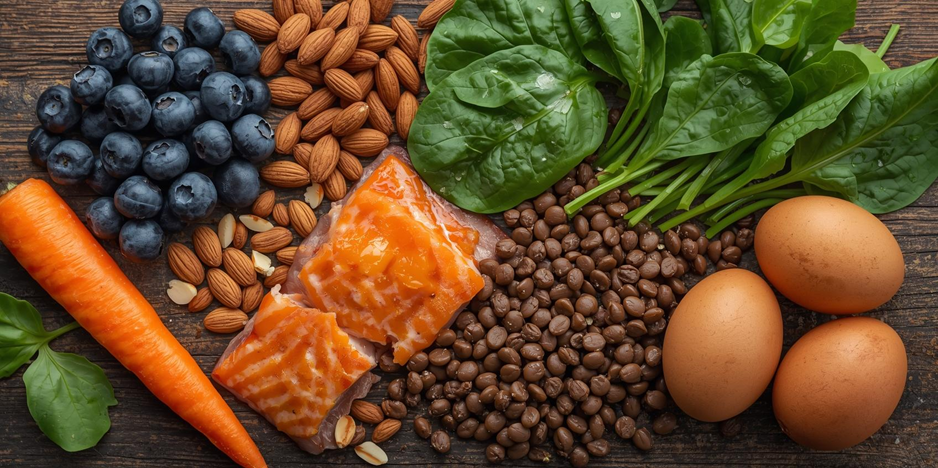
To keep your eyes healthy and your vision sharp, what you eat matters just as much as regular check-ups. Certain nutrients found in everyday foods can help protect your eyes from age-related problems. A balanced diet full of colourful fruits, vegetables, lean proteins, and healthy fats gives your eyes the support they need to stay strong over time. Below is a simple table showing which foods are good for your eyes, what they do, and where to find them:
| Food | Benefit for Eyes | Key Nutrients |
| Carrots, sweet potatoes | Help maintain clear vision and prevent dry eyes | Beta-carotene (Vitamin A) |
| Spinach, kale, leafy greens | Protect retina and reduce risk of macular degeneration | Lutein and zeaxanthin |
| Oranges, strawberries, berries, bell peppers | Support healthy blood vessels and reduce cataract risk | Vitamin C |
| Almonds, sunflower seeds | Protect eye cells from damage caused by aging | Vitamin E |
| Salmon, tuna, sardines | Help prevent dry eyes and support retina health | Omega-3 fatty acids |
| Beans, lentils, lean meats | Support night vision and maintain retina function | Zinc |
| Eggs | Provide multiple nutrients for overall eye protection | Vitamin A, lutein, zeaxanthin, Vitamin E |
Tip: A colourful plate = a healthier retina.
Supplement for your eyes
- Lutein & Zeaxanthin: These are like sunglasses for your eyes. They help block harmful blue light from screens and sunlight, and may lower your chances of getting eye diseases like cataracts or age-related vision loss.
- Vitamin A: Essential for seeing in the dark and keeping the surface of your eyes healthy. Without enough of it, your vision can seriously suffer even leading to blindness.
- Omega-3 (DHA & EPA): Found in fish oil, this help keep your eyes moist and reduce swelling. It is great for dry eyes and keeping your retina (the part that helps you see) in good shape.
- Zinc: Acts like a bodyguard for your eye cells. It helps your eyes stay strong and is part of a well-known formula used to slow down age-related vision problems.
- Vitamin C & E: These are antioxidants, think of them as rust removers for your eyes. They help slow down damage from aging and may protect against cataracts and vision loss.
- Vitamin B Complex: A group of B vitamins that help reduce inflammation and keep your nerves and retina working properly. They may also help prevent age-related eye issues.
- Astaxanthin: A super antioxidant that can reach deep into your eyes. It helps sharpen your vision and protects against a wide range of eye problems.
Final Thought
Your eyes are storytellers — revealing far more than what’s in front of you. By caring for your vision, you’re investing in your whole-body health. You can also try our supplement, 21st Century’s Eyebright Complex or Lutein 20mg as well to maintain eye health.
You may also like

Co-Enzyme Q10: Sustaining Energy and Vitality for Everyday Life
In our everyday lives, having enough energy to get through the day is essential. Between long hours at work, taking care of family, and observing cultural or religious traditions, our bodies are often pushed to keep going. To stay active and feel our best, our bodies need a steady supply of energy, and this is […]
Psyllium Husk: A Natural Solution for Digestive Health
Digestive health plays a crucial role in how we feel day-to-day. Whether you’re dealing with occasional bloating, constipation, or simply looking to boost your overall gut health, the answer might be simpler than you think, which is fiber. Among the many types of fiber, psyllium husk stands out as a powerful natural option. Derived from […]

Supporting Your Child’s Comfort With Children’s Vapor Balm
When a child is congested, restless, or uncomfortable from a common cold, parents often reach for soothing topical balms to help ease breathing and promote calm. But not all vapor rub products are the same—and choosing the right one matters, especially for young, sensitive respiratory systems. In this article, we’ll look at how vapor balms […]

Strengthening Your Body with Multivitamins
It can be tempting to view a daily multivitamin as a catch-all insurance policy: pop a pill and you’re covered for the nutritional gaps in your diet. But does taking a multivitamin really help strengthen your body and boost health? In this article we’ll explore what the science says about multivitamins, how they might (or […]

Diarrhea After Antibiotics? Easy Ways to Heal with Probiotics
Antibiotics are essential medications used to treat bacterial infections. They help eliminate harmful bacteria and support recovery from illnesses such as respiratory infections, urinary tract infections and skin conditions. However, while antibiotics are effective at fighting bad bacteria, they also affect the good bacteria in your gut. This disruption can lead to digestive issues, including […]

The Importance of Joint Health at Every Age
Joints are what keep our bodies moving. Whether we’re running, walking, climbing stairs or simply reaching for something, we rely on healthy joints every day. But as we grow older, our joints go through changes—and each life stage comes with different challenges. Understanding how to care for your joints at every age can help you […]
You might also interested in

Value Pack! 21st Century Cranberry 15000mg Tablet
Original price was: RM76.00.RM66.00Current price is: RM66.00.

Buy 2 Free 1! 21st Century B-Complex with Lipotropics, Wheat Germ & Lecithin
RM52.70
